Behaviour makes more sense when you understand the nervous system
The Groundwork is built around one simple idea:
Behaviour, emotions and attention are closely connected to the state of the nervous system.
When the system feels safe, children can learn, connect and cope.
When it feels overloaded, everything gets harder.

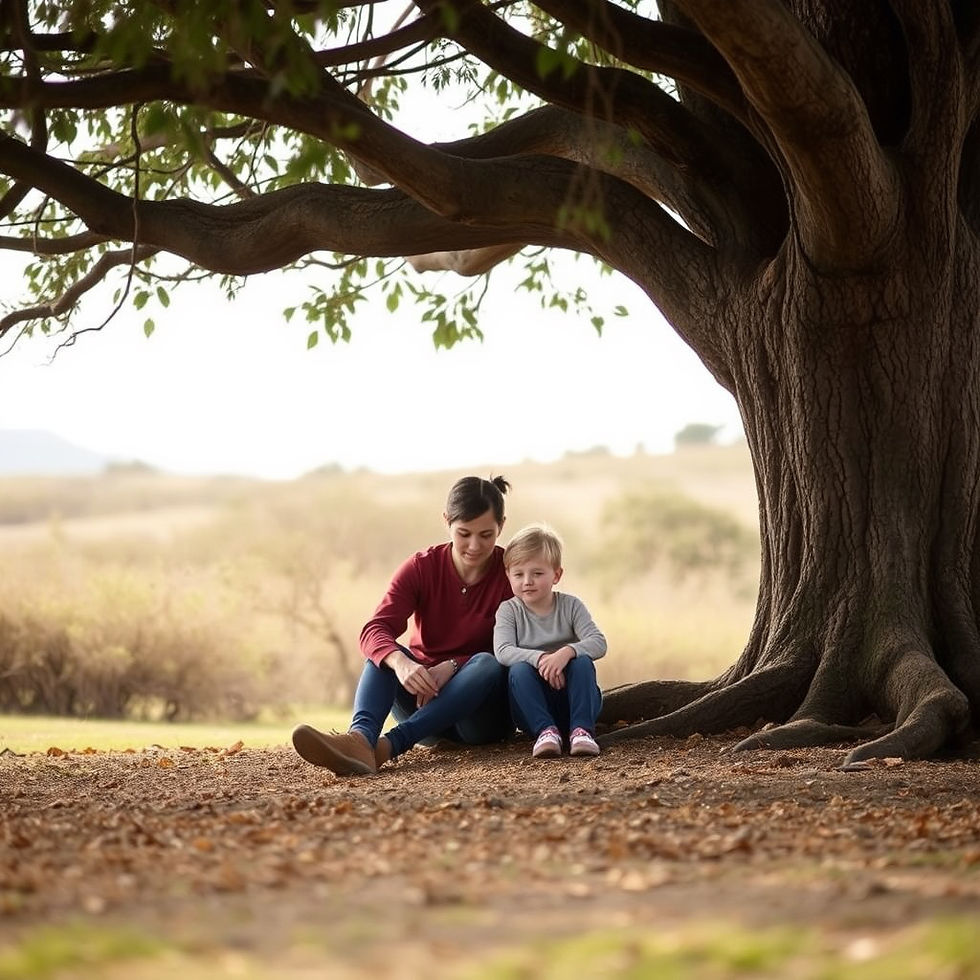
Your body's safety system
The nervous system is the body's regulation and safety system.
It is constantly asking:
Am I safe enough to learn, connect and engage?
When the system feels settled we are more able to:
• think clearly
• manage emotions
• solve problems
• connect with others
When the system feels overwhelmed, it shifts into protection mode.
This can look like:
• emotional reactions
• worry or anxiety
• shutdown or withdrawal
• restlessness
• irritability
• difficulty concentrating
This isn't bad behaviour.
It's the body responding to stress.
Some nervous systems stay on high alert after ongoing stress, overwhelm or change.
Over time, survival mode can start to feel normal.

How stress affects the brain and body
When the nervous system detects stress or threat, it shifts into protection mode.
This is often called fight, flight or freeze.
In this state:
• thinking becomes harder
• attention and memory reduce
• emotional reactions increase
• the body prepares for survival rather than learning
This response is automatic.
It's protective - not a choice.
When stress is ongoing, it becomes harder for the system to return to calm.
Regulation happens through safety
The nervous system does not regulate through reasoning alone.
It responds to signals of safety.
These signals come from:
-
calm, regulated adults
-
predictable environments and routines
-
connection and supportive relationships
-
reduced sensory and emotional overload
This process is known as co-regulation.
Children learn to regulate themselves over time by experiencing safety and regulation in their environment.


Environment matters
Regulation is strongly influenced by the conditions around a child.
When environments are:
• calm
• predictable
• supportive
• appropriately paced
the nervous system is more able to settle.
When environments feel chaotic, pressured or overstimulating, stress increases.
This is why supporting regulation is not only about teaching strategies.
It's also about creating environments that help children feel safe enough to learn, engage and connect.